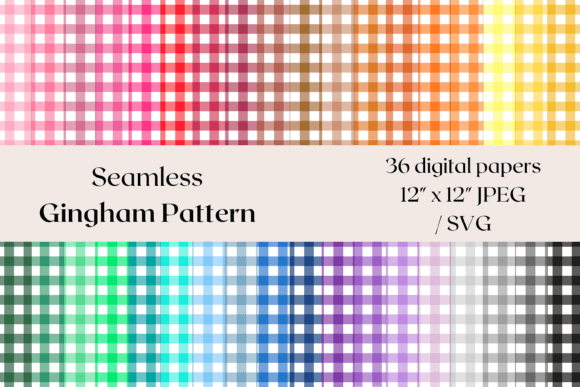
Seamless Gingham Pattern Digital Paper: A Freebie Graphic for Creative Sellers
As someone who’s been in the digital product game for a few years, I’m always on the lookout for design assets that bring value without requiring too much extra work. Recently, I came across Seamless Gingham Pattern Digital Paper, and after testing it out in a variety of scenarios, I wanted to share my real-world perspective with fellow Etsy sellers, Canva template creators, Cricut enthusiasts, and anyone else working with digital graphics for commercial use.
First Impressions and Niche Appeal
The first thing I noticed about this asset is its versatility. The gingham pattern has a timeless charm—think farmhouse kitchens, vintage aesthetics, or even modern minimalism when paired right. It feels playful yet elegant, which is a rare balance in the world of print-on-demand and digital downloads. This makes it especially appealing for handmade businesses, small brand identities, and seasonal collections where a subtle but distinctive visual touch can make all the difference.
I could see these papers fitting well into niches like baby items, wedding invitations, rustic home décor, or even lifestyle content for bloggers. The 36-color variety gives enough flexibility to match most branding palettes, making it a solid choice for those looking to build a cohesive look across multiple products without reinventing the wheel each time.
Real-World Use Cases for Online Sellers
One of the things I love about this pack is how easy it is to integrate into existing workflows. Whether you're creating SVG products for Cricut, designing PNG-based stickers, or putting together a clipart bundle for digital download, these seamless patterns can enhance your offerings in meaningful ways:
- SVG Products: Ideal for Cricut or Silhouette projects where repeatable, tile-friendly designs are needed. These papers work great as background elements or decorative layers.
- Printable Wall Art: Add depth and texture to simple layouts by using them as overlays or backgrounds. They’re especially effective for farmhouse-style prints or minimalist wall art.
- Greeting Cards & Invitations: The clean lines and subtle texture help elevate basic card templates into something more polished and professional.
- T-Shirt Graphics & Merchandise: Use them as borders or accents for t-shirt designs, tote bag prints, or tumbler wraps. They add just enough visual interest without overwhelming the main graphic.
- Canva Templates: These papers can be used to break up sections or highlight key areas in social media templates, blog headers, or promotional visuals.
- Planner Stickers & Scrapbooking Kits: Perfect for adding a decorative flair to DIY planner pages or themed scrapbook kits.
What stood out was how quickly they elevated the look of otherwise flat or generic designs. For example, when I added one of the lighter pastel gingham papers behind a text-based Instagram post, the whole layout felt more intentional and visually balanced. That’s the kind of impact a good graphic design asset should have.
Product Presentation and Marketplace Performance
If you’re selling on Etsy, Shopify, or any creative marketplace, presentation is everything. I tested the Seamless Gingham Pattern Digital Paper in several product mockups and found that it significantly improved thumbnail appeal and overall listing quality.
Here’s what I recommend doing before publishing:
- Mockup Previews: Try applying the pattern to different surfaces—like fabric swatches, paper backgrounds, or mug wraps—to see how it translates visually.
- Thumbnail Testing: Resize the preview image to fit typical marketplace thumbnails (usually around 200–400px). Does it still hold up? Or does it get lost in the details?
- Background Checks: Preview the pattern on both white and dark backgrounds. Some colors may pop better in certain lighting, while others might need contrast adjustments.
- Print Test Runs: If you plan to use these in physical products, test print them on various materials to ensure color accuracy and pattern clarity.
- File Inspection: Make sure JPEGs are high-res (at least 300dpi) and SVG files cut cleanly if you’re planning to use them in die-cutting projects.
When used thoughtfully, these papers can help maintain brand consistency across your shop. For instance, if you sell digital planners or printable cards, having a consistent background style builds trust and makes your listings feel more professional.
Where It Works Best and Where to Be Careful
This asset shines in large-format previews and decorative layouts. I found it particularly effective for:
- Large Product Previews: Tumbler wraps, wall art, and canvas prints benefit from the pattern’s scale and repetition.
- Themed Bundles: Pairing it with other freebies or premium design assets can create a compelling design bundle that sells well on marketplaces.
- Printable Products: Its seamless nature means no awkward edges or cuts, so it works beautifully for digital paper packs and sublimation designs.
- Social Media Promos: Especially for brands with a cozy, cottagecore, or farmhouse vibe. It adds warmth without cluttering the message.
However, there are some situations where I’d approach cautiously:
- Tiny Sticker Details: The pattern can become muddy or lose definition at smaller sizes, especially if the grid is too fine.
- Crowded Thumbnails: If your listing already includes lots of elements, layering a gingham pattern may reduce clarity and hurt click-through rates.
- Dark Backgrounds: While not a deal-breaker, darker versions of the pattern may require additional lighting effects or overlay treatments to remain legible.
- Text-Heavy Templates: Avoid placing the pattern over dense text unless you adjust opacity or font size accordingly. Readability is key.
Practical Seller Notes and Tips
Before using these in your next product launch, here are a few practical steps I took and recommend:
- Test Print Colors: Always do a test print to check how the colors render on your chosen material. Screen vs. print color can vary quite a bit.
- Check PNG Transparency: If you’re planning to use the JPEGs in layered designs, confirm that they don’t include unnecessary transparency or halftone effects.
- Inspect SVG Cut Quality: If you're using the SVG format for Cricut or Silhouette projects, zoom in to ensure the pattern lines are crisp and won’t cause mis-cuts.
- Organize Files Clearly: When packaging these as part of a larger set, label each file properly—especially if you're combining with other digital papers or design assets.
- Font Pairing Suggestions: The pattern pairs well with serif fonts for a classic look, sans-serif for a clean aesthetic, and even script or handwritten styles for a more personal touch.
- Confirm Commercial Licensing: Always double-check the terms of use. Even though it's labeled as a freebie, ensuring you have full rights to resell finished products is essential for legal compliance.
Final Thoughts for Creative Entrepreneurs
In short, Seamless Gingham Pattern Digital Paper is a valuable addition to your design toolkit—if you know how to use it right. It doesn’t demand attention, but it supports a thoughtful, cohesive aesthetic across your shop. As a digital product creator myself, I appreciate assets that offer a blend of usability and style without requiring major rework.
Whether you're building an Etsy product collection, updating a print-on-demand line, or enhancing a Canva template, this asset can give your designs a polished edge. Just remember to test it thoroughly before finalizing your listings. You want to ensure it looks great across platforms and formats, from digital downloads to merchandise graphics.
Used wisely, these papers can support your brand identity, improve visual hierarchy, and even boost perceived value in competitive markets. So take the time to explore their potential in your workflow—they might just become a staple in your next project.