Every Dog’s Needs a Baby Embroidery Design Review
As an experienced designer and embroidery product reviewer, I always look for machine embroidery designs that balance charm with functionality. Every Dog’s Needs a Baby caught my eye as a digital design in the Crafts category—Graphics to be precise. The title alone hints at a playful yet heartfelt sentiment, which immediately makes me think of how this could work on custom apparel or nursery decor. Let’s break it down from a practical standpoint: what does it bring to the table for real-world use?
First Impressions and Visual Personality
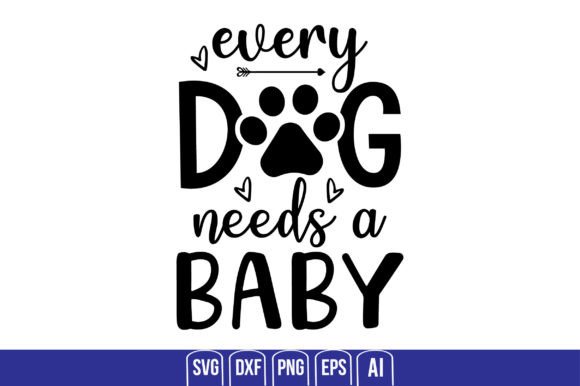
The first thing I noticed about Every Dog’s Needs a Baby is its warm and whimsical tone. It features a stylized dog holding a baby, rendered in soft curves and bold outlines. The layout is balanced and centered, making it ideal for symmetrical placement on items like sweatshirts or tote bags. The level of detail is moderate—not overly intricate, but just enough to convey emotion and character. This kind of design leans into the charm of handmade products without being too fussy for mass production.
I imagine this design working particularly well on personalized gifts, especially for pet lovers or expectant parents. The theme feels universal, but also niche enough to stand out in a craft business lineup. It’s got that perfect mix of humor and heart, which is exactly what Etsy sellers and boutique owners are looking for when curating their shop’s visual identity.
Real-World Applications
This design is versatile enough to consider for several types of projects. For example, if you’re preparing a custom embroidered tote bag for a baby shower gift, Every Dog’s Needs a Baby adds a unique touch that can differentiate your item in a market full of generic ones. Similarly, it fits beautifully into sweatshirt embroidery or even nursery decor, where a bit of personality goes a long way.
For those running a craft business or selling handmade products at local markets, this design could become a signature piece. It’s not too large, so it won’t overwhelm smaller items like embroidered patches or cap embroidery. Nor is it too small for larger surfaces such as pillow covers or kitchen towels.
When thinking about commercial use, the design has the potential to enhance small shop merchandise or branding assets for a pet-themed boutique. Its visual appeal is strong enough to boost product value and customer engagement, while still maintaining a friendly, approachable feel that aligns with handmade aesthetics.
Design Considerations for Real Projects
Before stitching, it’s important to assess how Every Dog’s Needs a Baby will perform on different materials and under various conditions. Here are some observations based on my experience:
- Small hoop sizes: The design’s moderate size works well in most standard hoops, but if you plan to scale it down for tiny applique patches or baby clothes, make sure to inspect the details closely. Tiny lettering or delicate lines might lose clarity when reduced.
- Textured fabrics: On materials like denim or canvas, the design holds up nicely due to its clean lines. However, stitch density may need adjustment to prevent puckering or distortion.
- Thin or stretchy fabric: Avoid using this design on lightweight knits unless you reinforce them properly. Stretchy materials can cause misalignment, especially in areas with dense satin stitches or fill patterns.
- Dark fabric backgrounds: The default thread colors included in the digital embroidery file (which includes SVG, EPS, DXF, PNG, and JPEG) are likely light tones. If using on dark fabrics, consider changing the thread colors for better visibility and contrast.
- Curved surfaces: If you're planning to embroider this onto a cap or curved surface, test the shape and flow carefully. Some areas might require manual tweaking to follow the contour smoothly.
Practical Designer Notes
If you’re considering using Every Dog’s Needs a Baby in your next project, here are some key steps to ensure success:
- Test on scrap fabric first: Especially if you're new to the design or planning to scale it differently. You’ll get a clearer sense of how stitch density affects tension and overall appearance.
- Review thread color contrast: Use a printable mockup to simulate how the design looks on your intended background before purchasing threads.
- Confirm hoop size requirements: Though the design doesn’t specify exact measurements, it's safe to assume it needs at least a medium-sized hoop. Always check the file’s dimensions after downloading.
- Inspect small details: Look for any tight corners or delicate elements that might need reinforcement or stabilizer support.
- Use proper stabilizer: Especially on stretchy or thin materials. A tear-away or cut-away stabilizer can help maintain shape and reduce distortion during stitching.
- Check whether it works for both personal and commercial projects: Since the files include SVG, EPS, DXF, and other formats compatible with Cricut, it's likely suitable for multiple uses—but always verify licensing terms before selling finished items or digital products.
Commercial and Personal Use Potential
From a commercial embroidery perspective, this design could easily become a bestseller in a variety of niches. Whether it's used on holiday gifts, boutique branding, or apparel decorators looking for a fresh graphic, it brings a level of recognition and emotional appeal that increases buyer engagement.
On the personal side, this design would make a great addition to a hobbyist’s collection. It’s easy to customize and adapt, and the files are compatible with popular tools like Cricut, giving you more flexibility in how you apply it across your embroidery projects.
Where It Shines—and Where to Be Careful
Every Dog’s Needs a Baby excels on mid-sized items with smooth surfaces, like tote bags, aprons, or pillow covers. These are all high-value handmade products that benefit from a design with a clear visual hierarchy and recognizable elements.
However, there are situations where caution is needed. If you're working on something that requires frequent washing, like a baby clothing item, pay attention to how the design holds up over time. Dense stitch areas can sometimes lead to wear and tear, especially if the fabric isn't sturdy. Also, avoid using this on very textured or patterned fabrics where the design might get lost visually.
Final Thoughts for Crafters and Entrepreneurs
Overall, Every Dog’s Needs a Baby is a solid choice for anyone involved in machine embroidery design—whether as a creative entrepreneur, Etsy seller, or a digital product creator. It’s not flashy, but it has that timeless charm that customers tend to gravitate toward. The included embroidery file formats offer flexibility, and the compatibility with Cricut opens the door to mixed-media applications.
That said, don’t take the design straight out of the box and assume it'll work perfectly everywhere. Treat it like any other design asset: test it, adjust it, and understand its strengths and limitations. When done right, this design can elevate your finished product, build customer trust, and even contribute to brand consistency in a subtle but effective way.
So, if you're prepping a personalized gift or updating your craft fair products, give this one a try—but do your homework first. Your next happy customer might just thank you for adding a little love to their world, one stitched dog and baby at a time.