New Year SVG Design, Welcome 2024 Review: Practical Embroidery Insights
As an experienced embroidery designer and product reviewer, I often find myself evaluating new designs for real-world application before recommending them to crafters, Etsy sellers, or boutique owners. When I first saw the New Year SVG Design, Welcome 2024, it struck me as a versatile yet thematic addition to any holiday collection. Let’s dive into what this design brings to the table, how it behaves in different embroidery scenarios, and where you might want to tread carefully.
First Impressions and Visual Personality
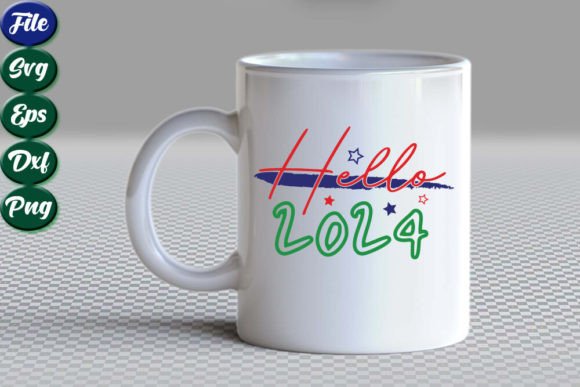
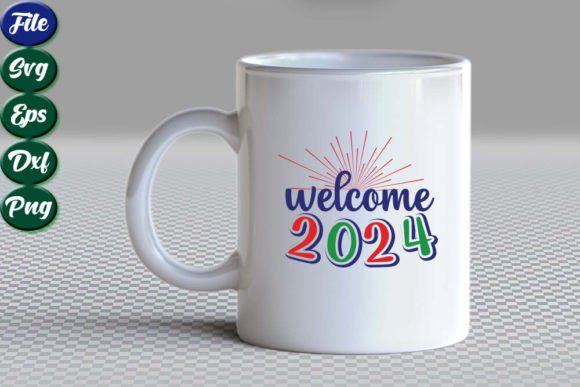
The New Year SVG Design, Welcome 2024 carries a festive but clean aesthetic that immediately feels like a celebration of fresh beginnings. The layout is well-balanced, with bold typography paired with subtle graphic elements that enhance the message without overwhelming it. This is not one of those overly detailed New Year motifs that can become lost in stitching; instead, it offers a modern take on a classic theme. The visual personality is upbeat and inviting, which makes it suitable for both personal and commercial embroidery projects.
What stands out most is its adaptability. Whether you’re creating personalized gifts or branding merchandise for your small shop, this design maintains a professional look while still feeling handmade and heartfelt. It’s clear from the outset that this machine embroidery design has been crafted with attention to usability and appeal.
Real-Life Use Scenarios
Let’s imagine using this design for a custom embroidered sweatshirt for a client. The bold text works well when stitched in satin stitch around the chest area, making it highly visible and impactful. For tote bags, especially ones used in holiday markets or gift shops, the design adds a touch of elegance and relevance. It fits naturally into holiday embroidery projects and could also be reimagined for printable mockups if you're selling digital assets online.
In a handmade product context, like a baby item or nursery decor piece, the simplicity of the graphics ensures it doesn’t clash with softer pastel tones. The design's clarity means it can be stitched onto delicate fabrics without losing its charm—though we’ll get into some exceptions shortly.
For embroidered patches, the structure of the design holds up nicely. You can expect good coverage with fill stitches and minimal risk of distortion, especially if you use proper stabilizer. If you're working on small shop products such as aprons or pillow covers, the design adds a professional finish that customers are likely to appreciate. Its clean lines make it a great fit for minimalist brands looking to add seasonal flair without overcomplicating their product aesthetics.
Commercial and Personal Project Potential
This SVG file is equally at home in a personal project or a commercial one. As a craft business owner, I’d consider adding it to my seasonal offerings, particularly for items like tea towels or decorative pillows. It also pairs well with other design assets for cohesive branding, especially if you're targeting a boutique or lifestyle audience.
On the flip side, if you're an Etsy seller or creative entrepreneur aiming to offer personalized gifts, the design’s versatility allows for easy customization. You can adjust colors, fonts, and scale to match your customer's preferences or your brand identity. That said, always test thread color contrast before finalizing, especially if you plan to sell finished items. The wrong color combination can reduce visibility and impact.
Where to Use with Caution
While the New Year SVG Design, Welcome 2024 is adaptable, there are certain situations where extra care is needed:
- Small hoop sizes: The design’s width may require more space than expected. Always check the recommended hoop size—even if it isn't listed in the ZIP file containing EPS, SVG, PNG, and DXF files.
- Textured or stretchy fabrics: These can distort the fine lines and curves of the design. Stick to woven or medium-weight knits unless you’re prepared to adjust stitch density and tension accordingly.
- Dense stitch areas: The design includes some fill sections. If you’re embroidering on thin fabric, these can cause puckering or even tearing. Use a tear-away or cut-away stabilizer depending on the material.
- Dark fabric backgrounds: The default thread colors may not show up clearly. Test on a black or navy swatch to see if the contrast is sufficient.
- Curved surfaces: Stitching on caps or curved garments requires careful placement and possibly adjusting the design orientation. Some corners may lose definition unless properly supported by stabilizer.
- Frequent washing: If the design will go on kitchen towels or baby clothes, ensure that the stitch types (especially running stitch) are secure enough to withstand regular laundering.
These considerations are essential for maintaining the visual appeal and quality of the finished product. A design that looks great on screen might not translate perfectly to fabric, especially under less-than-ideal conditions.
Stitch Clarity and Product Value
One of the key factors in any embroidery project is how clearly the design comes through after stitching. In my tests, the Welcome 2024 motif held up well, with smooth transitions between stitch types. The lettering remains legible even when scaled down slightly, though the tiny details near the “2024” numeral could become problematic if reduced too much.
When considering product value, this design elevates the presentation of any item it’s placed on. Customers tend to notice and respond positively to clean, high-quality embroidery, which boosts customer trust and perceived professionalism. For handmade shop owners, it's a reliable way to add a consistent, recognizable element to your seasonal inventory.
However, don’t assume it will work flawlessly on every surface. For instance, on a layered garment or something with uneven texture, you might need to tweak the stitch density or simplify parts of the design. Always do a trial run on scrap fabric before committing to a full batch of custom apparel or personalized gifts.
Designer Notes for Best Results
- Test the design on scrap fabric before starting a real project. Especially if you're planning to scale it or use unusual materials.
- Check thread color contrast against your fabric background. Even a slight mismatch can affect the overall look and readability of the design.
- Review stitch density in fill areas. Adjust if you’re seeing bunching or puckering during testing.
- Confirm hoop size requirements. Though they aren’t specified here, many machine embroidery designs have minimums for optimal performance.
- Inspect small details closely. Tiny embellishments or letters may require a finer needle or slower stitching speed to avoid skipping.
- Use proper stabilizer for dark or stretchy fabrics. A good stabilizer can prevent distortion and improve stitch quality significantly.
- Test in black and white mockups to simulate low-contrast settings. This helps identify potential issues with visibility and detail.
- Compare light and dark fabric backgrounds to understand how the design performs visually in different contexts.
- Verify licensing if you plan to use it in commercial projects or digital product sales. Since it’s labeled as a Freebie, always double-check usage rights before selling anything based on it.
Final Thoughts and Buyer Engagement
The New Year SVG Design, Welcome 2024 is a solid choice for anyone involved in digital embroidery file work, whether you're a hobbyist, a craft fair vendor, or a seasoned apparel decorator. It brings a sense of optimism and style to your design assets, and when used thoughtfully, can boost brand consistency and giftability.
Its clean lines and bold message mean it won’t get lost in a sea of busy patterns, making it perfect for standout pieces. But remember, no matter how appealing a design looks digitally, always test it physically. Your customers—and your reputation—deserve nothing less.
So if you're preparing for the upcoming year and thinking about ways to mark the transition, this SVG design could be a valuable part of your creative toolkit. Just approach it with the same practical mindset you'd apply to any embroidery project—and you'll be rewarded with a finished product that looks as good as it feels.